


Electric bikes have become one of the hottest trends in Southern California—especially among kids and teens. In Corona, where sunshine and wide-open neighborhoods create ideal riding conditions, it’s not unusual to see young riders cruising to school, parks, or friends’ houses on sleek new e-bikes.
But with rising popularity comes rising concern. Across the region, law enforcement, schools, and parents are reporting a noticeable spike in e-bike incidents involving minors. As these powerful new bikes blur the line between play and motorized transportation, many families are asking the same question:
How do we keep our kids safe?
This full-length article breaks down what every Corona parent should know—laws, risks, best practices, and community solutions.
The E-Bike Boom Among Young Riders
E-bikes are attractive to kids for obvious reasons: they’re fast, fun, and offer the freedom to travel farther than a traditional bike. Models popular with teens can easily reach 20 to 28 mph, and some modified versions go even faster.
For parents, e-bikes offer a potential alternative to chauffeuring—making school, sports, and after-school activities more accessible without adding another car trip.
But unlike standard bicycles, e-bikes add motorized speed, greater weight, and more complex controls, increasing both the likelihood and severity of accidents.
Why Kids Are at Higher Risk
Corona’s roads are busy, and even skilled adult riders must navigate fast-moving traffic, distracted drivers, and multi-lane intersections. For younger riders, the challenges multiply:
- Limited traffic experience: Kids often struggle with judging speed, distance, and right-of-way.
- Impulsive decisions: Quick acceleration makes unsafe maneuvers more dangerous.
- Peer influence: Teens may push speed limits or practice risky riding in groups.
- Heavier equipment: E-bikes can weigh 50–80 lbs, making them harder to control or stop.
Across California, pediatricians and emergency departments have reported an increase in e-bike-related injuries among youth. Though most incidents are minor, falls at higher speeds can lead to serious head, wrist, and facial injuries.
Understanding E-Bike Laws for Minors in California
Before a child even climbs onto an e-bike, it’s important for parents to know what the law allows—and what it doesn’t.
California’s Three E-Bike Classes
- Class 1: Pedal-assist only, up to 20 mph
- Class 2: Throttle + pedal-assist, up to 20 mph
- Class 3: Pedal-assist to 28 mph, speedometer required
Legal Requirements for Kids
- No one under 16 may operate a Class 3 e-bike.
- Helmets are required for all riders under 18, regardless of bike class.
- Riders must follow the same traffic laws as cars—signals, right-of-way, lane direction, and stopping at signs/lights.
- E-bikes cannot be ridden on sidewalks in many parts of California, including most of Corona.
Local law enforcement has urged parents to verify which class of e-bike their child is riding. Many online retailers and boutique shops sell high-speed models that appear “kid-friendly” but legally require older operators or additional safety features.
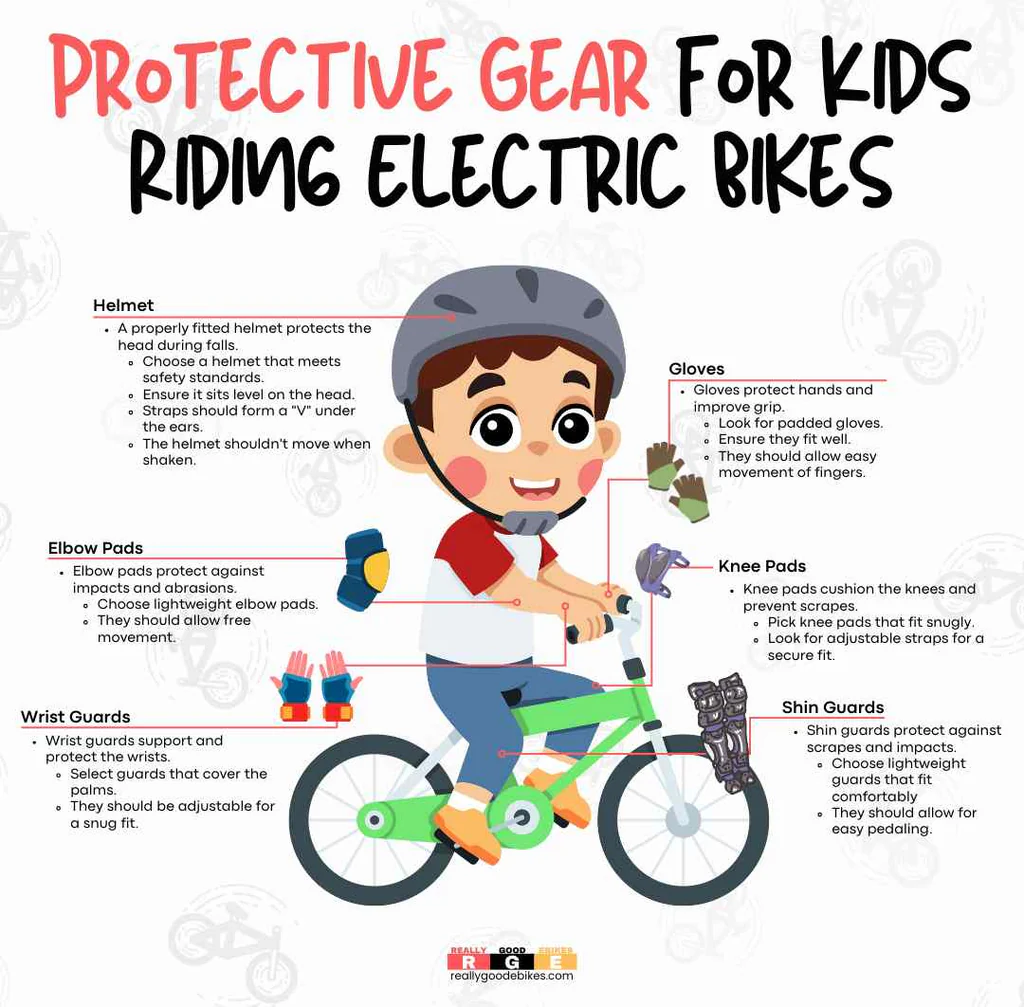
Helmet Use: Non-Negotiable
The single biggest factor that reduces injury severity is proper helmet use. Studies show helmets can reduce the risk of serious head injury by up to 85%.
For kids who resist wearing one, comfort and style matter. Parents have found success with:
- Lightweight, well-ventilated helmets
- MIPS (rotational impact protection) models
- Colorful or customizable designs
Parents should also ensure the helmet fits snugly and is worn level—not tilted back exposing the forehead.
Skills and Training: Start With the Basics
Kids often jump straight onto e-bikes without adequate practice. Before allowing street riding, consider this safety progression:
- Parking-lot sessions
Practice starts, stops, braking distance, signaling, and maneuvering at slow speed. - Supervised neighborhood riding
Teach lane positioning, turning at intersections, and scanning for cars. - Traffic awareness training
Discuss where cars might appear unexpectedly—driveways, cross-streets, parking lots. - Night riding rules
Even with bright LED lighting, young riders should avoid nighttime travel until they demonstrate solid safety habits.
The goal is to build competence gradually—similar to learning to drive.
Setting Boundaries: A Family Safety Plan
E-bikes give kids independence, but boundaries keep them safe. Parents in Corona often find success with setting:
✔ Speed limits
Many e-bikes allow speed caps or “eco mode” settings.
✔ Riding zones
Define safe areas: bike lanes, neighborhood blocks, parks, and avoid high-traffic corridors.
✔ No-ride times
Establish rules for no dusk or night riding unless equipped and experienced.
✔ Passenger policies
Unless the bike is built for two, carrying friends is dangerous and illegal.
✔ Phone safety rules
No calls, texting, or earbuds while riding.
A clear safety plan not only protects kids—it helps parents feel more confident when their children are out of sight.
Maintaining the Bike: Safety Starts With Equipment
A poorly maintained e-bike is just as dangerous as a poorly ridden one. Parents should routinely check:
- Brakes: strong grip, no squeaking
- Tires: proper inflation + visible tread
- Chain: lubricated and tensioned
- Lights: bright front and rear LEDs
- Battery: secure mounting + proper charging habits
Many Corona bike shops offer quick safety inspections or tune-ups.
A Community Challenge — and a Community Opportunity
Corona is seeing more young riders than ever before. Schools, law enforcement, and parks departments are beginning to address the trend through:
- On-campus safety talks
- Helmet distribution events
- Traffic enforcement near schools
- Calls for expanded bike lanes and safer crossings
As e-bikes become a long-term part of youth culture, community efforts can play a powerful role in shaping safe, healthy habits.
Final Thoughts: Safety Enables Freedom
E-bikes can open doors for kids—promoting independence, outdoor time, and eco-friendly transportation. But safety must grow alongside popularity. With parental guidance, proper gear, and community awareness, Corona can ensure that kids enjoy the freedom of e-bikes without unnecessary risk.